Ledger Login: A Clear and Updated Guide for Secure Access to Your Crypto
Ledger hardware wallets are known for providing one of the safest ways to store cryptocurrency. Unlike online wallets or exchange accounts, Ledger devices store private keys offline, making them less vulnerable to hacking attempts. To manage crypto stored on a Ledger Nano S Plus or Ledger Nano X, users rely on Ledger Live, the official management application. This guide explains the Ledger login process, how to use Ledger Live, common issues, and best security practices—all in simple and easy-to-understand language.
What Makes Ledger Login Different?
Most digital platforms use a traditional login system that requires a username, email, and password. Ledger does not work this way. Instead, Ledger login is based entirely on the security of the hardware wallet.
To access your wallet:
You must physically connect your Ledger device
You must enter your PIN on the device itself
Ledger Live must recognize and authenticate the device
No passwords, no online accounts, and no stored login credentials are involved. This unique approach greatly reduces the risk of phishing, password theft, and unauthorized access.
Understanding Ledger Live
Ledger Live is the central dashboard for managing your cryptocurrency assets. It connects to your Ledger device and lets you perform tasks such as:
Adding and managing crypto accounts
Checking your portfolio balance
Sending and receiving crypto
Installing ledger apps for different currencies
Updating your device firmware
Buying and swapping supported cryptocurrencies
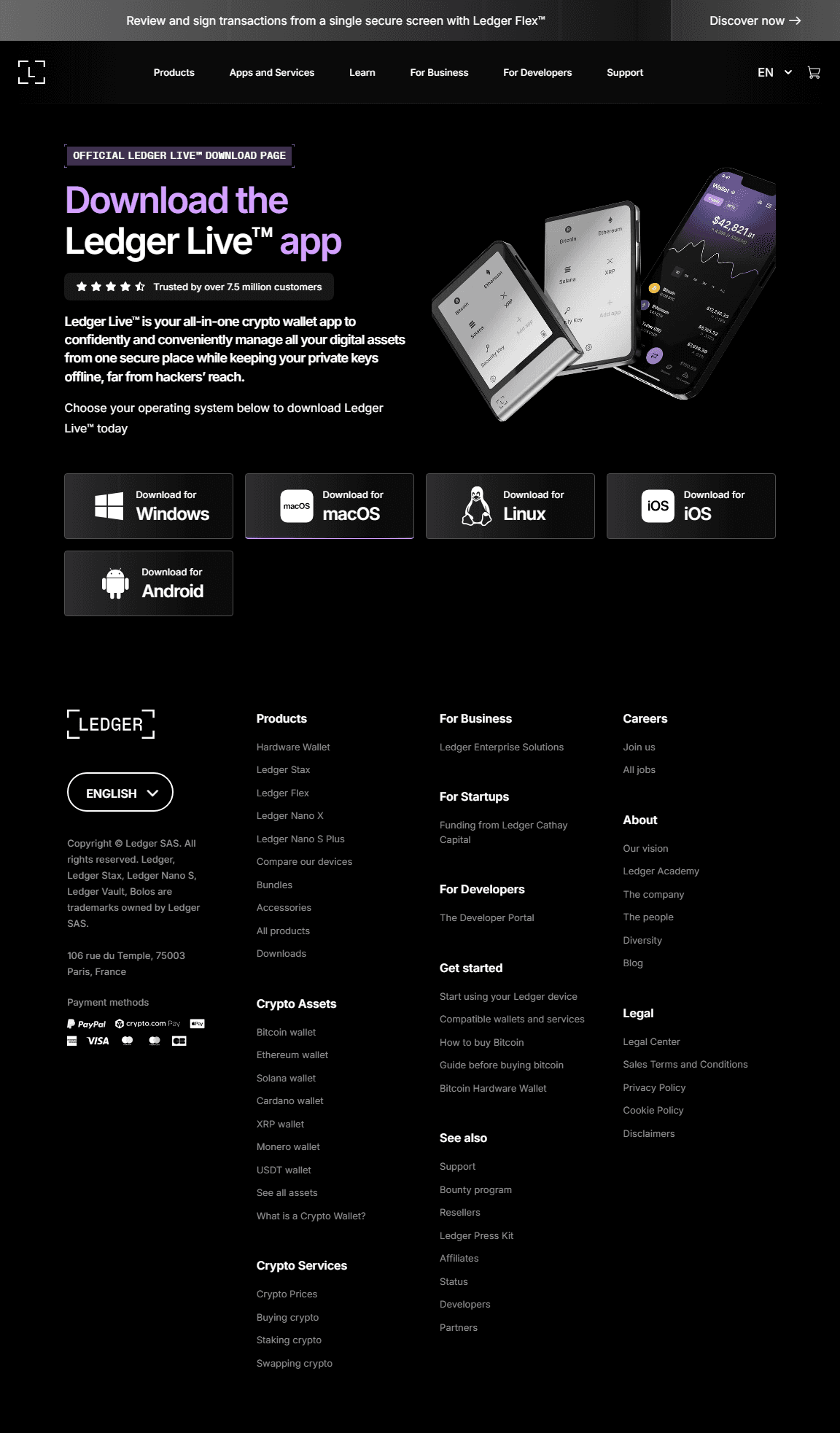
Ledger Live is available on Windows, macOS, Linux, iOS, and Android, making it accessible for both desktop and mobile users.
How Ledger Login Works Step by Step
Step 1: Install Ledger Live
Start by downloading Ledger Live from the official Ledger website. Avoid third-party sites to prevent downloading fake or harmful software. Install the application on your computer or phone.
Step 2: Connect Your Ledger Device
For desktop users, plug in your Ledger Nano device using a USB cable.
For mobile users, Ledger Nano X connects via Bluetooth, while Nano S Plus may require an OTG cable.
Ledger Live will automatically detect the connected device.
Step 3: Unlock with Your PIN
On the Ledger screen, you will be prompted to enter your PIN. This must be done manually on the device. If the PIN is incorrect, the device will not unlock.
Step 4: Open the Crypto App on the Device
Each cryptocurrency requires its own app (e.g., Bitcoin, Ethereum).
Open the relevant app on your Ledger device to access those wallet functions in Ledger Live.
Step 5: Access Your Ledger Live Dashboard
Once the device is verified, Ledger Live will show:
Your accounts
Transaction history
Exchange options
Portfolio value
Device settings
You are now fully logged in.
Ledger Login on Mobile Devices
The mobile version of Ledger Live is designed for convenience and portability.
How It Works:
Install Ledger Live from the Apple App Store or Google Play Store.
Turn on your Ledger Nano X (Bluetooth enabled).
Pair your Ledger device with your phone.
Enter your PIN on the Ledger hardware wallet.
Access your accounts from the Ledger Live app.
Mobile login still requires the hardware device, meaning your private keys remain safely offline.
Why There Is No Traditional Account Login
Ledger intentionally avoids using usernames and passwords because they create vulnerabilities. If Ledger required an online login:
Passwords could be hacked
Phishing websites could imitate Ledger
Email accounts could be compromised
User data could be stored and potentially leaked
Instead, the device itself serves as your login credential, and your 24-word recovery phrase serves as your ultimate backup.
Common Ledger Login Issues and Solutions
Even with secure systems, users may sometimes face problems. Here are the most frequent ones:
Problem 1: Ledger Device Not Connecting
Possible solutions:
Try a different USB cable
Reboot your computer
Restart Ledger Live
Update your Ledger firmware
Try a different USB port
Problem 2: Ledger Live Can’t Detect the Device
Ensure the Ledger is unlocked
Make sure the correct crypto app is open
Update Ledger Live to the latest version
Problem 3: Wrong PIN Attempts
If you enter the wrong PIN too many times, the device will reset itself.
You can restore it using your 24-word recovery phrase.
Problem 4: Bluetooth Issues (Nano X)
If connecting through Bluetooth:
Forget the device in your phone’s settings
Restart both devices
Try pairing again
Problem 5: Ledger Live Crashes or Freezes
Fixes include:
Updating the app
Reinstalling Ledger Live
Clearing the cache
Disabling conflicting security software
Best Practices to Keep Your Ledger Login Safe
Even though Ledger is one of the most secure ways to store crypto, users must follow good practices.
Protect Your Recovery Phrase
The 24-word recovery phrase is the only way to restore your wallet.
Store it securely in a private location. Never take photos, screenshots, or store it on cloud services.
Use a Strong PIN
Choose a PIN that is not easy to guess. A longer PIN makes brute-force attacks harder.
Verify Every Address on the Device
Before confirming a transaction, always check the wallet address on the hardware device display. This step prevents malware from changing the address.
Keep Your Firmware Updated
Ledger frequently releases security-enhancing updates. Install them promptly.
Download Ledger Live Only from Official Sources
Phishing websites and fake apps are common in crypto. Always ensure your downloads come from Ledger’s official website or trusted app stores.
Avoid Using Public Wi-Fi
Public networks may be insecure. Use a private, trusted network whenever accessing Ledger Live.
Why Ledger Login Is One of the Safest Authentication Methods
Ledger’s login approach eliminates many dangers found in online wallets:
There are no passwords that hackers can steal
All sensitive actions require physical confirmation
Private keys never touch the internet
Wallet access depends on hardware possession
This ensures that even if someone steals your computer, they still cannot access your cryptocurrency without your Ledger device and PIN.
Conclusion
Ledger login is a secure, device-based process designed to protect your cryptocurrency at all times. By using Ledger Live and a hardware wallet, you gain full control over your assets without relying on centralized services or vulnerable online accounts. The combination of offline private key storage, PIN authentication, and physical transaction confirmation makes Ledger one of the safest options in the crypto industry.
By following recommended security practices—like safeguarding your recovery phrase and keeping your device updated—you can ensure your crypto remains protected from threats while still being easy to access and manage whenever you need it.